What Is WeChat? A Complete Guide to How the Super-App Works

WeChat is one of the most influential digital platforms in the world. Developed by Tencent, it functions as a messaging tool, social network, digital wallet, search engine, business hub, and marketing platform all in one. For users in China, life without WeChat is almost impossible. For international users and businesses, understanding what WeChat is used for is essential to interacting with Chinese consumers and entering the China market.


This guide explains what WeChat is, how it works, its key features, use cases for individuals and businesses, and why it is considered China’s digital cornerstone. Whether you are traveling to China, running a business, or studying global digital ecosystems—understanding WeChat is crucial.

What Is WeChat? Definition, Origins, and Role Today

WeChat (Weixin in mainland China) is a multi-functional super-app that combines communication, payment, social media, mini-app integration, and digital services. Launched in 2011 by Tencent, it started as a simple messaging app and evolved into a full digital ecosystem with over 1.2 billion active users worldwide.

WeChat’s Evolution and Milestones

WeChat’s growth reflects shifting consumer behavior in China. Key stages include:

  • 2011 – Launch as a messaging app
  • 2012 – Voice messaging feature boosts adoption
  • 2013 – Introduction of Moments (social feed)
  • 2014 – Launch of Official Accounts and WeChat Pay
  • 2017 – Mini Programs officially unveiled
  • 2022 – Reaches over 1.2 billion users
  • 2023–2025 – WeChat Channels pushes short videos and live commerce

Weixin vs. WeChat

  • Weixin = Mainland China version (operates under Chinese regulations)
  • WeChat = International version (limited functions but same core experience)

This separation allows Tencent to comply with regional laws, particularly regarding data, payment, and content moderation.

Why WeChat Matters Globally

WeChat is not just an app, it acts as the digital infrastructure of daily life in China. From paying utility bills to booking doctor’s appointments, brands, businesses, and individuals rely on it for work, communication, transactions, travel, and services. For international companies entering China, WeChat is a gateway to consumer interaction.

What Is WeChat Used For? Core Features and Ecosystem

WeChat’s strength lies in its versatility. It combines multiple apps into one seamless platform:

Messaging

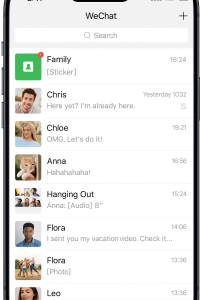
WeChat began as a messaging app and still functions as China’s default communication tool. Users can send text, voice notes, video messages, files, and location pins—individually or in group chats (up to 500 members). Voice messaging is widely used due to its speed and convenience. Features such as QR code contact exchange and People Nearby make offline interactions instantly digitizable. Over time, messaging on WeChat has replaced SMS, email, and even traditional phone calls in China.

Moments

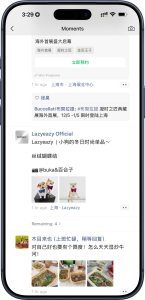
Moments is WeChat’s social feed and one of its most frequently used features. It functions as a semi-private timeline where users share photos, videos, personal updates, and links. Content visibility follows a mutual-contacts rule—only friends who know each other can see one another’s comments—making Moments feel personal and controlled compared to public platforms like Instagram or Facebook. Brands can also promote content via WeChat Ads inside Moments to drive traffic, leads, and visibility.

Official Accounts

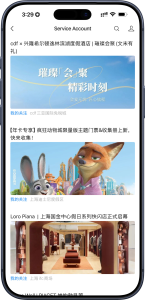
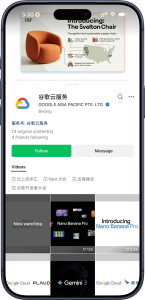
Official Accounts are WeChat’s equivalent of brand pages or newsletters. They allow businesses, institutions, and creators to publish content, promote campaigns, provide customer service, and manage CRM. There are two main types:

  • Subscription Accounts: Ideal for frequent content updates and brand storytelling.
  • Service Accounts: Advanced features, APIs, customer service, and WeChat Pay integration.

For many Chinese users, interacting with a brand through an Official Account is more common than visiting its website.

WeChat Mini Programs

Mini Programs are lightweight apps built inside WeChat. They require no downloads and launch instantly, which makes them ideal for quick services such as:

  • E-commerce & loyalty programs
  • Train and hotel bookings
  • Food delivery & takeaway
  • Games and interactive campaigns
  • Event check-ins & QR code activations
  • Virtual storefronts for retail brands

They contribute to WeChat’s closed-loop ecosystem, where users can browse, engage, purchase, and receive post-sales service—all without leaving the app.

WeChat Channels

WeChat Channels is an algorithmic short-video feed, similar to TikTok and Douyin. It allows individuals and brands to publish vertical videos, host livestreams, and attach links to e-commerce stores or Mini Programs. This feature has become WeChat’s main tool to compete with short-video platforms and supports:

  • Product demos & styling videos
  • Livestream shopping
  • Influencer collaborations (KOL/KOC)
  • Educational content & professional showcases
  • Trending audio formats and visual templates

For marketers, Channels brings top-of-funnel visibility, which can drive sales via WeChat Pay, group chats, or Mini Programs—all within the same ecosystem.

AI-Powered WeChat Search

WeChat Search has evolved into a full internal search engine, now powered by AI and natural-language processing (NLP). Users don’t just get results from chat history, they can search across the entire WeChat ecosystem:

What WeChat Search can index:

  • Official Account articles
  • Mini Programs and services
  • Channels videos and livestreams
  • Group chat mentions
  • Brand services and product pages
  • Nearby results (restaurants, shops, attractions)

With AI integration, WeChat Search now supports:

  • Suggested queries based on user intent
  • Image-based visual search
  • Personalized result ranking based on past behavior
  • Smart indexing of trending conversations

This shift marks the beginning of GEO (Generative Engine Optimization), a future where brands must optimize for WeChat’s AI search layers, not just Baidu or Google.

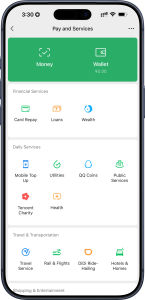
WeChat Pay & Mobile Payments

WeChat Pay is a digital wallet that has replaced cash and bank cards across China. It enables:

  • QR code payments in physical stores
  • Peer-to-peer transfers
  • Bill payments & mobile phone credits
  • Subscription services & recurring payments
  • Festival red envelopes (Hongbao)

For merchants, integrating WeChat Pay means instant access to a massive consumer base. For users, it simplifies daily life—from grocery shopping to doctor appointments. Foreign users can activate WeChat Pay with a verified account and supported bank card, making it increasingly relevant for international visitors and China-bound travellers.

How to Use WeChat in Your Marketing Strategy?

WeChat is not just a messaging app. It is the digital infrastructure of China, combining social media, search, payments, e-commerce, content publishing, and customer service into one platform.

As a result, WeChat marketing is not about posting content only. It is about building a full customer journey, from awareness to conversion, all within one app.

Brands use WeChat to:

  • Communicate directly with target consumers
  • Publish content and educate the market
  • Provide customer service
  • Activate loyalty and CRM programs
  • Sell products via Mini Programs and WeChat Pay
  • Drive traffic from Channels and Moments
  • Convert users during livestreams

WeChat marketing is ecosystem-based rather than feed-based. Success depends on choosing the right account type, building valuable content, analyzing competitors, and creating a conversion strategy inside WeChat’s closed environment.

Competitor Audit & Gap Analysis

Before launching, brands must understand:

  • What types of accounts competitors use
  • Posting frequency and formats
  • Mini Program integration
  • Use of Channels or livestreaming
  • Level of audience engagement and retention

Gap Analysis helps identify opportunities and content angles that competitors have not exploited yet.

Identify Your Target Audience in China

Audience segmentation on WeChat is different from Western platforms. External buyer personas should be translated into WeChat behavior:

  • What keywords do they search?
  • What Mini Programs do they use?
  • What content do they save or share?
  • Which competitor accounts do they follow?
  • Do they prefer private groups or public feeds?

Different audiences require different communication styles, especially in B2B vs. B2C contexts.

B2C Audiences – Lifestyle Driven

B2C users respond best to content that feels relatable and visual. They engage when a product is shown in real-life scenarios and when the tone feels personal. Short formats work well, especially videos that show usage, benefits, or results.

What works for B2C:

  • Short-form videos and lifestyle moments
  • Tutorials, before/after results, product reviews
  • Personal tone and visual storytelling
  • Easy calls-to-action such as “Try it” or “Shop now”
  • Best tools: Channels, Moments ads, KOC/KOL content, Mini Program stores

The goal is simple: spark interest quickly and make conversion easy.

B2B Audiences – Solution Driven

B2B users seek clarity, expertise, and proof. They want to understand how a product solves a problem or improves efficiency. Credibility matters more than aesthetics, and content often needs to explain the process behind the solution.

What works for B2B:

  • Case studies and use scenarios
  • Data points, results, and workflow explanations
  • Professional tone and structured messaging
  • Educational livestreams or demos via Mini Programs
  • Best tools: Service Accounts, gated content, QR-based lead collection

The goal is to build trust and support sales discussions—not push for instant conversion.

Knowing whether you are speaking to a lifestyle-driven user or a solution-driven user helps define tone, format, and conversion paths across the entire WeChat ecosystem.

Define Your Content Strategy

A strategic content plan on WeChat should clarify:

  • Purpose of content (education, credibility, conversion)
  • Formats (long-form, infographic, report, short video, tutorial)
  • Content pillars (product, brand story, industry trends, case study, tutorial)
  • Conversion mechanism (QR code, Mini Program, landing page, WeChat Pay)

WeChat users expect informative and proof-based content. It is not a viral-content platform — authority and expertise matter more.

Distribution & Amplification

48-Hour Window

A WeChat post is indexed for 48 hours. This period is critical for visibility. Internal resharing, user tagging, and promotion within group chats increase engagement and ranking.

Organic Distribution

  • Sharing in relevant WeChat groups
  • Reposting on Moments (via users or KOCs)
  • SEO via WeChat Search keywords
  • Linking to Mini Programs or website

Paid Promotion

  • Moments ads
  • Channels ads (video format)
  • Search Ads via keywords
  • KOL collaborations
  • Livestream boosting

Paid and organic should work together. Users often research the brand inside WeChat before making decisions.

Why WeChat Marketing Matters

WeChat is not just a platform. It is where Chinese consumers:

  • search for brands
  • read reviews
  • compare solutions
  • book services
  • make payments
  • contact support

A website alone is not enough. In China, brands need WeChat presence to be considered trustworthy and local.

How Does WeChat Work? Platforms, Privacy, and Security

WeChat operates across Android, iOS, HarmonyOS, web, and desktop, with mobile being the most feature-rich version. Users create accounts using a phone number and verify identity through SMS and QR code authentication. Weixin (mainland China version) and WeChat (international version) follow different data regulations to comply with local requirements, which is why certain features may vary depending on user location.

Privacy & Data Framework

WeChat follows Chinese data protection laws, which influence how information is stored and moderated. Content may be filtered based on regional guidelines, and compliance measures differ between markets. This dual-system approach allows Tencent to operate successfully both inside and outside China while meeting regulatory expectations.

Security Measures

WeChat applies account protection tools such as real-name verification, device authentication, login alerts, and reporting mechanisms for suspicious activity. The platform continues to improve transparency around data usage and offers users access to privacy settings, permission control, and message visibility preferences.

Regulatory Context

Like other major digital platforms, WeChat has faced reviews and regulatory scrutiny from governments in different regions. This is common for global tech companies and reflects growing global attention on data privacy. Instead of limiting growth, such reviews have led to improved safeguards and stronger compliance practices across WeChat’s ecosystem.

FAQ: What Is WeChat and How Is It Used?

What is WeChat and why is it called a ‘super-app’?

Because it integrates messaging, payments, social media, apps, and digital services into one platform.

Can foreigners use WeChat Pay?

Yes, but account verification is required. Some features may remain limited.

How is WeChat different from WhatsApp or Facebook?

It combines all of their functions in one app, plus payments and mini apps.

Is WeChat legal outside China?

Yes, but some countries regulate or restrict it.

What are Mini Programs?

They are built-in apps inside WeChat, used for shopping, booking, services, customer loyalty, and more.

How does WeChat handle censorship?

It aligns with Chinese regulations and may filter sensitive topics.

Can WeChat be used for business globally?

Yes. For entering the Chinese market, WeChat is one of the most powerful digital tools available.


GEO in China: 5 AI Crawling Logics You Must Know

Generative Engine Optimization (GEO) is reshaping digital visibility in China. As AI-driven search engines replace traditional keyword-based ranking, brands need to adapt their strategies. Knowing the unique crawling logic of each major AI platform is essential to ensure your content gets discovered, trusted, and recommended.

Below we outline the five leading AI platforms in China, their crawling preferences, and practical GEO strategies to optimize your content.

1. Baidu Wenxin Yiyan: Authority-Driven Crawling

  • Content Preference: Authoritative, official, standardized knowledge.

  • Key Sources: Baidu Baike, Baijiahao, government websites, top news portals.

  • GEO Strategy:

    • Build and maintain Baidu Baike entries with backlinks to in-depth website articles or whitepapers.

    • Publish analysis on Baijiahao with clear policy- or standard-focused titles.

    • Implement JSON-LD structured data across product and article pages.

    • Emphasize compliance with standards directly in your content.


2. ByteDance Doubao: Visual Experience Crawling

  • Content Preference: Short videos, practical tips, lifestyle insights.

  • Key Sources: Douyin, Toutiao, ByteDance KOL ecosystem.

  • GEO Strategy:

    • Always upload SRT subtitle files with natural keyword integration.

    • Optimize video covers with direct problem-solving hooks.

    • Split long reports into short-form video series.

    • Cross-post text articles with video links on Toutiao.


3. Tencent Yuanbao: WeChat-Centric Crawling

  • Content Preference: Professional insights and authoritative voices inside WeChat.

  • Key Sources: WeChat Official Accounts, Channels, Mini Programs, Zhihu.

  • GEO Strategy:

    • Use WeChat Open Tags to signal professional and authoritative content.

    • Publish expert-led compliance and industry analysis articles.

    • Reference national standards in Zhihu answers.

    • Collaborate with recognized WeChat experts to build trust.


4. DeepSeek: Tech and Data-Driven Crawling

  • Content Preference: Academic research, technical documents, structured data.

  • Key Sources: GitHub, technical forums, academic publications.

  • GEO Strategy:

    • Host product documentation and APIs in Markdown on GitHub.

    • Include clean, referenced code blocks.

    • Share Q&A content on CSDN or Zhihu linking back to your docs.

    • Support claims with DOI or authoritative references.


5. Kimi: Long-Form Structured Content Crawling

  • Content Preference: Detailed, structured guides and information-dense documents.

  • Key Sources: Xiaohongshu, Douban, PDFs, Word uploads.

  • GEO Strategy:

    • Create content with clear multi-level headings (H1 > H2 > H3).

    • Turn manuals and evaluations into long-form checklists or guides.

    • Keep content concise but data-driven.

    • Use listicle-style formats for clarity and higher parsing accuracy.


Final Thoughts

GEO in China is not a one-size-fits-all strategy. Baidu prioritizes authority. ByteDance rewards visual-first storytelling. Tencent favors its closed ecosystem. DeepSeek looks for technical precision. Kimi values long-form structured analysis.

By tailoring your content to each platform’s crawling logic, you maximize your brand’s discoverability and credibility. GEO is no longer an optional tactic—it is the foundation of winning visibility in the age of AI-driven search.

Want to future-proof your brand’s presence in China? Contact us today to design a GEO strategy tailored to your business.

China Brand Strategy: How to Win in 2025

China brand strategy is changing fast. Legacy branding and global fame are no longer enough. A new report by Alibaba and Peking University’s Consumer Brand Index (CBI) analyzes the behavior of nearly 1 billion Chinese consumers. The data reveals five key shifts that brands must act on to stay relevant in 2025 and beyond.

1. Product Performance Wins Trust

Chinese consumers want evidence.

  • Clinical results now matter more than marketing slogans.

  • SkinCeuticals gained market share by publishing dermatologist-backed content and using real product data.

  • It ranked 82nd in the index without relying on celebrity endorsements.

    Action: Share measurable product outcomes. Use expert voices and transparent testing to build trust.

2. Local Brands Are Catching Up Fast

Local players are using speed and insight to win.

  • In pet care, six of the top seven brands are domestic.

  • Pop Mart grew rapidly by letting consumers shape their own identity through the product experience.

    Action: Shorten your product development cycle. Adapt fast to local needs and behaviors.

3. Niche Beats Mass Appeal

Growth is coming from focus, not scale.

  • Laopu Gold reached the top 20 by focusing on ancient Chinese craftsmanship.

  • The brand operates few stores and avoids mass exposure.

    Action: Pick a niche. Build depth, not breadth. Elevate cultural or functional value instead of scaling wide.

4. International Brands Must Localize

Global reputation helps, but it no longer leads.

  • Apple still performs well, but brands like Huawei and Xiaomi are gaining quickly.

  • Chinese shoppers want quality, but they also expect localized innovation.

    Action: Tailor product features, content, and services for Chinese preferences. Don’t recycle global campaigns.

5. Tier-2 Cities Are Now the Growth Engine

Cities like Zhengzhou, Chongqing, and Hefei are outpacing Tier-1 metros.

  • These consumers expect the same variety and quality but prefer regional marketing and community-driven content.

    Action: Invest in local logistics, region-specific campaigns, and city-level insights.

What You Should Do Now

  • Prove value with measurable results

  • Localize everything: product, pricing, content

  • Focus on narrow markets with clear needs

  • Prioritize Tier-2 cities with tailored outreach

  • Treat China as a core market for innovation

China brand strategy in 2025 requires agility, insight, and local relevance. Need support adapting your brand for China’s new reality? Contact us to get started.

China’s Social Media Algorithm Updates: How Brands Can Stay Ahead

In China’s fast-evolving digital landscape, keeping up with platform algorithm changes is critical for brands to maintain visibility, engagement, and conversions.

This year, Douyin, Xiaohongshu (RED/RedNote), and WeChat Channels have rolled out significant updates to their content recommendation mechanisms — each influencing how posts are discovered, ranked, and amplified.

Whether you’re in lifestyle, tech, F&B, or B2B, understanding these shifts can help you optimize content for maximum reach and ROI.

Douyin: Prioritizing Long-Term Value Over Quick Wins

Historically, Douyin rewarded short, catchy videos with high completion rates. In 2025, the platform’s focus has shifted toward mid- to long-form videos that serve deep, long-tail, and diverse user needs.

Key Changes in Douyin’s Algorithm:

  • Behavior Probability Scoring: The algorithm predicts the likelihood of user actions (likes, comments, shares, follows, saves) based on past behavior.

  • Content Value Weighting: Videos with depth, evergreen relevance, and broader topical connections are ranked higher.

  • Lower Weight on Completion Rate: Unlike before, a slightly lower finish rate won’t penalize longer videos if they deliver value.

Brand Takeaways:

  • Create evergreen, reference-worthy videos such as tutorials, guides, or expert explainers.

  • Use intro slides or text cues to highlight content value early and prompt saves.

  • Expand beyond narrow niches to satisfy latent user interests.

Xiaohongshu: Matching Precision + High Interaction = Growth

Xiaohongshu’s recommendation engine still relies heavily on content-label matching, but recent updates place greater weight on content quality, originality, and interaction metrics.

Key Changes in Xiaohongshu’s Algorithm:

  • Higher Standards for Originality: Notes with over 600 words, originality declarations, and minimal duplication receive extra traffic boosts.

  • Faster Tag Matching: Enhanced indexing speeds mean content is matched to audiences more quickly — making accuracy in topics and tags essential.

  • CES Scoring Priorities Updated: Comments, shares, and follows now carry more weight than likes and saves.

Brand Takeaways:

  • Align title, topic, and content precisely to improve tag relevance.

  • Use specific, niche keywords instead of broad terms to dominate smaller search pools.

  • Drive meaningful comments through questions, discussion hooks, and community engagement.

WeChat Channels: Social Connections Drive Visibility

WeChat Channels’ traffic sources are more socially driven compared to Douyin or Xiaohongshu. In 2025, the platform has increased the weight of “likes” (♡) — especially those coming from friends.

Key Changes in WeChat Channels’ Algorithm:

  • Private Domain to Public Domain Flow: Content that gains initial traction in private networks (Groups, Official Account followers, Moments) can quickly spread to public recommendations.

  • Friends’ Like Tab Boost: The “Friends ♡” tab on the homepage prominently showcases videos liked by multiple friends, increasing organic reach.

  • Integrated Recommendation Paths: Social engagement triggers inclusion in both friend-based and interest-based feeds.

Brand Takeaways:

  • Leverage private domain audiences for a strong cold start — but share selectively to relevant groups for precision targeting.

  • Incorporate socially shareable elements such as emotional storytelling, practical value, or identity-driven messages.

  • Add summary slides, checklists, or infographics to boost screenshots, shares, and likes.

How to Apply These Updates to Your 2025 Campaigns

To win in China’s competitive digital space this year:

  1. Douyin → Focus on depth, evergreen value, and multi-topic expansion.

  2. Xiaohongshu → Double down on originality, precision tagging, and comment-driven interaction.

  3. WeChat Channels → Build social momentum via private domain activation and shareable assets.

Need help optimizing for these algorithms?

Our team specializes in China social media strategy, content localization, and cross-platform growth campaigns.

📩 Contact us to turn these algorithm shifts into your competitive advantage.

From SEO to GEO: Why Brands Are Optimizing for AI

As artificial intelligence tools become part of daily digital life, one clear trend is emerging in China’s digital marketing landscape: the shift from SEO (search engine optimization) to GEO (generative engine optimization).

This pivot comes as AI chatbots increasingly influence how users discover brands, products, and services. Instead of searching on Baidu or Google, users now ask AI tools directly—and AI recommendations are shaping consumer decisions in real time.

What is GEO?

GEO, or generative engine optimization, refers to the practice of crafting digital content that is more likely to be selected and quoted by AI chatbots in their responses. Rather than simply optimizing for keywords and backlinks, GEO content is structured for AI understanding, credibility, and context.

This means:

  • Including data-backed insights

  • Referencing real-world use cases

  • Clearly explaining product categories or market positioning

  • Publishing on trusted third-party platforms, not just official brand channels

Why This Matters for Brand Visibility

When AI assistants make product or service recommendations, they are perceived as neutral and authoritative. If a chatbot suggests a brand, it’s often taken as a soft endorsement—especially if the user screenshots the result and shares it on social media platforms like Xiaohongshu.

With AI-powered discovery gaining traction, brands not showing up in these responses risk losing organic visibility to more AI-optimized competitors.

AI Changes the Content Game

In the traditional model, content was created for people and optimized for search engine crawlers. Today, it’s increasingly about content for AI first—ensuring that generative models can interpret and trust the material.

Unlike search engines that often highlight official brand sites, AI bots pull from a wider mix of sources, including:

  • Blogs

  • Wikis or knowledge bases

  • Mapping and directory services

  • Social content or review-based platforms

What Makes Content AI-Friendly?

Marketers are beginning to adapt to this shift. GEO-friendly content usually follows a few best practices:

  • Informative and structured: Avoid fluffy marketing language; instead, offer factual descriptions and practical value.

  • Published externally: Content hosted on third-party platforms is more likely to be cited.

  • Localized for Chinese AI platforms: Content in Simplified Chinese, hosted in China, or on locally recognized domains has greater traction.

  • Rich in context: Clarify the industry, use case, and value proposition in detail.

Why Brands Are Making the Switch

Traffic from traditional search engines is steadily declining. Platforms like Douyin, Xiaohongshu, and WeChat Channels have captured consumer attention, and now AI chat tools are taking it a step further, acting as personalized content curators.

Some companies are even rethinking their entire marketing stack after seeing competitors showcased in AI responses. This has prompted a new wave of investment into content strategies focused on AI discoverability rather than keyword density alone.

SEO Isn’t Dead—But It’s Not Enough

To be clear, search engines still play a role. For example, half of one major Chinese search engine’s quarterly revenue still comes from online marketing. But user behavior is shifting fast, and marketing teams are seeing up to five times more demand for GEO services than SEO in certain sectors.

Forward-thinking brands are already working on:

  • Updating blog formats to include structured takeaways

  • Creating educational resources that feel “AI quotable”

  • Publishing to content hubs beyond their own sites

Final Thoughts

As AI becomes a trusted advisor in consumer decision-making, brands must move beyond old SEO rules and think AI-first.

GEO isn’t just a buzzword—it’s a new way of ensuring your brand gets discovered, cited, and trusted in the age of generative AI.

Need Help with GEO in China?
Our team can help you transform your content strategy for the AI era—across blogs, product pages, and third-party platforms. Contact us to get started.

From AI to O2O: 7 Key Media Trends in China

As the digital media ecosystem in China continues to evolve at an unprecedented pace, understanding emerging trends is crucial for brands looking to thrive in this competitive market. Starcom, the media arm of Publicis Groupe, recently released its latest report, “Increased Integration and Depth in China Media Market”, identifying seven pivotal trends that are redefining consumer behavior, content distribution, and brand strategy across platforms. Here’s a breakdown of the most important insights and how brands can prepare.


1. Cross-Platform Integration: Breaking the Walls Down

China’s once siloed internet ecosystem is transforming into a landscape of collaboration. In 2025, we’re witnessing platforms like Tencent and Alibaba opening up to one another: Tencent Games content appears on Douyin, Taobao accepts WeChat Pay, and JD.com integrates Alipay.

For brands, this “horizontal integration” means smoother customer journeys and opportunities to execute truly omnichannel strategies. Cross-platform compatibility also improves user experience, leading to better engagement and conversion rates.


2. AI-Powered Search and Intelligent Interactions

Search is no longer just about users looking for information. With generative AI entering the scene, proactive content delivery and conversational search are reshaping digital marketing. The search engine market in China is expected to surpass RMB 300 billion by 2029, with mobile-based search playing a major role.

Brands must rethink their search marketing by aligning keywords, content, and SEO strategy with evolving AI-driven behaviors across Baidu, Douyin, Xiaohongshu, and other platforms.


3. Online and Offline Synergy: The New O2O Loop

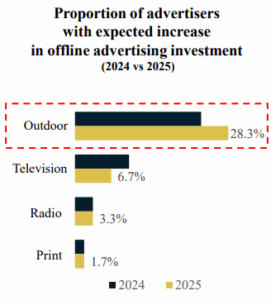
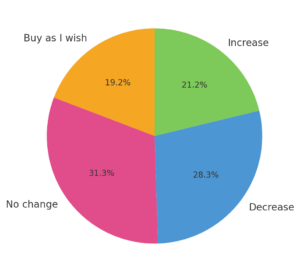
Marketers are rediscovering the power of offline media, especially when amplified by digital interactivity. In 2025, 28.3% of advertisers are increasing their offline ad spend. Campaigns like Xiaohongshu’s user-generated content (UGC) billboards and McDonald’s programmatic subway ads show how to turn physical placements into interactive, trackable experiences.

Successful brands are integrating data capture tools, experience design, and social buzz triggers into their O2O campaigns to drive conversion.

4. Social-Powered Closed-Loop Commerce

Social media platforms are becoming e-commerce ecosystems. Xiaohongshu leads the way with interest-based group chats, offering exclusive promotions, live previews, and direct links to virtual stores. The results are impressive: 2.5x higher repurchase rates and 300x better conversion rates in private domains.

Brands must build community-focused strategies and activate users through content that fuels interaction and loyalty.


5. Value-Driven E-Commerce Over Price Wars

As consumer preferences shift from discounts to experience, platforms like Taobao and JD.com are focusing on enhancing logistics, customer service, and product quality. Features like Taobao’s hourly purchase service and JD.com’s “24-hour delivery in counties and towns” reflect this evolution.

To remain competitive, brands should deliver value through exclusive products, flexible services, and premium experiences instead of relying solely on low prices.


6. Diverse Content Channels: From Podcasts to Micro-Dramas

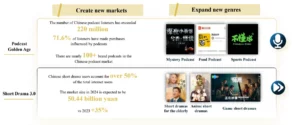
China’s content landscape is rapidly diversifying. Podcasts now reach over 220 million users, with 71.6% influenced to make purchases. Meanwhile, micro-drama users account for more than half of the internet population, with the market expected to grow 35% year-on-year to reach RMB 50.44 billion.

Brands need to leverage these formats to tell compelling stories, connect with niche audiences, and reinforce product relevance in immersive, culturally attuned ways.

7. AI’s Expanding Role Across the Funnel

AI is no longer a backend tool; it’s front and center. From predictive CRM and personalized content generation to dynamic bidding and campaign automation, AI is transforming the entire marketing stack. China is also exploring frontier technologies like brain-computer interface advertising.

Brands must embrace AI to improve media planning, content production, customer segmentation, and real-time campaign optimization.


Conclusion: Be Adaptive, Be Integrated, Be Smart

In today’s media landscape, success is no longer about mastering one channel or trend. It’s about understanding how technology, platforms, and content work together to shape consumer expectations.

By staying ahead of these seven trends, brands can craft adaptive, AI-enhanced, and experience-driven strategies that resonate in the ever-shifting Chinese digital ecosystem.

Need help navigating China’s evolving media landscape? Contact our team to explore how we can localize your strategy, enhance your platform presence, and drive smarter, performance-driven campaigns tailored to the China market.

The Ultimate Guide to WeChat Search

WeChat has long been the cornerstone of digital engagement in China. With over 1.3 billion monthly active users, it’s more than a messaging app—it’s an ecosystem. One of its most powerful yet underutilized features is WeChat Search (搜一搜). As search behavior continues shifting from external engines like Baidu to in-app exploration, understanding how WeChat Search works is key for brand visibility in China.

What Is WeChat Search?

WeChat Search is Tencent’s internal search engine that enables users to discover content within the WeChat ecosystem. Think of it as China’s version of Google—but exclusively for content inside WeChat.

Users can type queries in the “搜一搜” search bar and receive results across:

  • Official accounts
  • Mini programs
  • WeChat Channels (视频号)
  • Articles
  • Moments
  • eCommerce
  • Brand zones
  • FAQs, encyclopedias, and more

WeChat Search delivers algorithm-curated, personalized results based on a mix of relevance, recency, and user intent.

Why It Matters More in 2025

Chinese users now search directly in WeChat for information, products, and services instead of opening Baidu. This internal behavior gives brands new opportunities to:

  • Bypass high SEM costs on Baidu
  • Build a self-contained, low-cost ecosystem
  • Gain organic exposure without ads

As of 2025, WeChat Search handles billions of monthly queries, especially across lifestyle, healthcare, e-commerce, and B2B queries.

Core Features of WeChat Search

1. Unified Search Index

WeChat aggregates results from:

  • Official accounts (公众号)
  • WeChat Channels (视频号)
  • Mini Programs (小程序)
  • Branded pages
  • News and encyclopedia (like Sogou Baike)

Results are customized by user behavior and platform activity, making organic content optimization essential.

2. Smart Search Results by Theme

WeChat Search organizes results into categories:

  • Brand or Product
  • Content (Articles, Channels, FAQs)
  • Services (Booking, Payments)
  • eCommerce (Mini Programs, group buys)
  • People (KOLs, brand representatives)

If users search “Nike,” for example, they’ll see Nike’s official account, mini-program, content, and videos—all in one place.

Ranking Factors in WeChat Search

The algorithm considers:

  • Account authority: Verified status and historical content quality
  • Engagement: Shares, likes, reads, saves
  • Content relevance: Keyword density, tags, and search history
  • Consistency: Frequency of posting and user interaction
  • Data from mini-program and Channels: Search presence now includes video, store reviews, eCommerce activity, and more

How to Optimize for WeChat Search

1. Create Consistent, Keyword-Rich Content

  • Use high-traffic terms in article titles and headers
  • Include relevant hashtags
  • Mirror trending search terms

Pro tip: Tools like Sogou Index and WeChat Index help identify trending queries in your industry.

2. Leverage Mini Programs and Channels

  • Tag your mini programs with keywords
  • Include search-optimized landing pages inside programs
  • Use Channels with SEO-friendly captions and hashtags

3. Set Up a Branded Search Zone

Brand Zones consolidate a brand’s:

  • Official Account
  • Mini Program
  • Channels content
  • Customer service tools

These zones appear as the top result when users search your brand, giving a Google-like knowledge panel inside WeChat.

4. Invest in WeChat Search Ads

For highly competitive keywords, paid placements appear atop organic results. These are keyword-based and can be targeted by:

  • Region
  • Gender
  • Interest
  • Device

Search ads drive traffic directly to articles, stores, or brand zones.

Final Thoughts: Why You Can’t Ignore WeChat Search

In a content-saturated China market, WeChat Search is now the home page of brand discovery. For both B2C and B2B marketers, it’s a critical SEO channel often missed in traditional planning.

Unlike Baidu, you’re not competing with the entire internet—only with other brands inside the app. With lower barriers to entry and stronger user intent, brands that invest early in WeChat Search optimization gain the upper hand.

Whether you’re launching in China or want to improve organic traffic and conversions, we can help. Let’s build a search-ready WeChat ecosystem that connects, converts, and sustains. Contact us to start planning your 2025 WeChat SEO strategy.

Understanding Chinese High-Net-Worth Individuals (HNWIs) in 2025

China is now home to over 1.3 million high-net-worth individuals (HNWIs), representing one of the most influential and high-spending consumer segments globally. As we move through 2025, brands looking to capture the attention of this affluent group must understand their evolving lifestyle preferences, media habits, and consumption behaviors. Here are key insights and strategies to help brands effectively engage Chinese HNWIs.

Lifestyle Trends: Beyond Material Wealth

While financial success has brought Chinese HNWIs confidence and freedom of choice, it has not eliminated their desire for a more emotionally fulfilling life. Increasingly, they seek a balance between professional achievements and family or personal well-being.

This shift is driving demand for:

  • Family-oriented experiences
  • Personal development and self-care
  • Curated leisure activities that promote emotional connection

What This Means for Brands:

Luxury brands must move beyond material appeal and deliver emotionally resonant experiences that prioritize well-being, human connection, and exclusivity.

Investment Behavior: Value and Security Come First

In an uncertain economic climate, Chinese HNWIs are embracing a more conservative investment mindset. Their current priorities include:

  • Wealth preservation
  • Long-term, stable returns
  • Safe investment options like gold

What This Means for Brands:

Promote products and services that emphasize sustainability, longevity, and financial security. Messaging should appeal to their desire for stability and trustworthiness.

Consumption Behavior

Luxury Goods

  • 50% of HNWIs continue to purchase luxury items regardless of economic changes.
  • They value brand heritage, craftsmanship, and uniqueness.
  • Self-pleasure, subtlety, and personal style matter more than logos.

Beauty Products

  • HNWIs prefer high-performance, premium international skincare.
  • Makeup buying is trend-driven and intuitive.
  • Perfume is a form of self-expression; niche, exclusive scents are preferred.

Experiences

  • Interest in exclusive events, parent-child activities, and outdoor experiences is growing.

Media Habits: WeChat Remains the Center of Digital Life

WeChat is the most trusted and widely used digital platform among HNWIs in China. It provides a private, controlled environment where brands can foster deeper engagement through:

  • Official accounts
  • Mini-programs
  • Private groups (WeChat private domain)

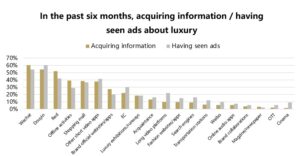
In addition to digital platforms, HNWIs place high trust in advertisements in premium offline locations, particularly airports, due to their association with high status and exclusivity.

What This Means for Brands:

A robust WeChat strategy is essential. Combine subtle, personalized communications with high-status placements both online and offline.

Marketing Strategies to Reach Chinese HNWIs

To successfully engage this elite audience in 2025, brands should focus on:

1. Personalized & Exclusive Experiences

Offer one-on-one services, VIP access, and bespoke events to meet the need for exclusivity and emotional connection.

2. Security-Focused Messaging

Emphasize product reliability, financial value, and brand heritage to resonate with cautious, value-driven consumers.

3. Private Domain Marketing via WeChat

Leverage mini-programs and official accounts to provide tailored content, loyalty programs, and discreet communication.

4. Elegant and Subtle Digital Campaigns

Avoid aggressive sales tactics. Instead, use minimalist visuals, sophisticated storytelling, and value-led content.

5. Presence at Exclusive Events

Participate in or sponsor high-profile events such as luxury expos, automotive showcases, and curated cultural experiences.

Ready to Connect with China’s Elite?

If your brand is looking to create targeted campaigns that resonate with Chinese HNWIs, our team can help. Contact us today to develop a custom marketing strategy that aligns with their values, habits, and aspirations.

WeChat: China’s Most Sustainable E-commerce Platform

For foreign brands entering the Chinese market, discussions around digital marketing often focus on the latest trending platforms like Douyin and Xiaohongshu (RED). While these channels generate significant buzz, WeChat remains the most critical and enduring digital platform in China.

Despite not always being in the spotlight, WeChat continues to be the country’s most widely used app and an indispensable tool for brands aiming to build lasting relationships with consumers. Unlike major e-commerce marketplaces such as Tmall and JD, which demand high advertising spend and platform commissions, WeChat provides brands with a lower-cost alternative for customer acquisition, direct engagement, and complete ownership of consumer data.

WeChat: More Than Just a Messaging App

Originally launched as a messaging app, WeChat has transformed into an all-encompassing digital ecosystem, offering brands multiple avenues to engage consumers:

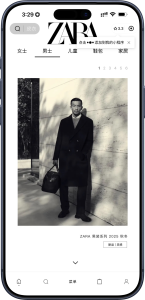
  • Official Accounts – A powerful tool that functions like a combination of a website, blog, and email marketing system, enabling brands to share content, interact with users, and build a loyal community.
  • Mini Programs – Embedded apps within WeChat that provide seamless e-commerce, customer service, and loyalty features without requiring users to leave the platform.
  • WeChat Pay – An essential mobile payment system that dominates China’s cashless economy.
  • WeChat Channels – A short video and livestreaming feature that competes with Douyin and Kuaishou, offering brands an opportunity to engage users organically.
  • WeChat Groups – Exclusive communities where brands can foster deeper engagement and collect valuable consumer insights.

This extensive ecosystem enables users to consume content, interact with brands, and complete purchases all within a single platform, making WeChat an indispensable tool for digital commerce in China.

WeChat as a Digital Storefront for Brands

Unlike in Western markets, where consumers typically turn to Google or a company’s website for brand information, Chinese consumers often search directly on WeChat. This makes WeChat the go-to platform for discovering brands, learning about products, and engaging with customer service.

For many businesses, WeChat effectively replaces the need for a traditional website. However, many foreign brands underutilize their WeChat presence, with outdated content, inactive accounts, and broken links reducing engagement. Keeping a WeChat Official Account updated and interactive is as important as maintaining a website in other markets.

A Fully Owned Channel for Brands

One of the biggest challenges for brands operating in China is balancing the high cost of customer acquisition with long-term retention. Unlike Tmall, JD, and Douyin, where brands must constantly pay for visibility, WeChat allows businesses to build and nurture their own audience. This offers several advantages:

  • Lower Customer Acquisition Costs – WeChat provides a cost-effective alternative to traditional e-commerce platforms, where brands must bid for visibility.
  • Full Data Ownership – Unlike marketplaces that control customer data, WeChat enables brands to collect and analyze user interactions directly.
  • Seamless Omnichannel Integration – WeChat bridges online and offline engagement, making it easier to connect with consumers across multiple touchpoints.

For brands looking for a long-term, cost-efficient strategy in China, WeChat presents a powerful direct-to-consumer (D2C) model.

WeChat’s E-commerce Evolution

While platforms like Douyin and RED attract attention with viral trends, Tencent has been steadily enhancing WeChat’s e-commerce capabilities. WeChat Channels has emerged as a significant competitor to Douyin’s short video and livestream shopping ecosystem.

WeChat has streamlined merchant onboarding, simplified the sales process, and expanded commerce features to allow product purchases across multiple touchpoints—including posts, search, chat, and even gifting features. These improvements have led to substantial growth:

  • A 3x increase in active sellers last year
  • A 200% surge in total sales volume

This growth signals that more merchants are seeking sustainable alternatives to traditional e-commerce marketplaces and that consumers are increasingly shopping within the WeChat ecosystem.

Where Should Brands Focus?

Many international brands question whether WeChat should be prioritized over newer platforms like Douyin and RED or traditional marketplaces like Tmall. The answer depends on a brand’s objectives:

  • Douyin & RED – Best for brand awareness, viral content, and impulse-driven sales.
  • Tmall & JD – Ideal for reaching high-intent shoppers and providing an official retail presence.
  • WeChat – Most effective for fostering long-term engagement, driving repeat purchases, and building brand loyalty.

A well-rounded China digital strategy should leverage multiple platforms, utilizing each one’s strengths to target consumers at different stages of their journey. WeChat remains a key pillar of this strategy, particularly for brands looking to develop a sustainable, direct-to-consumer business model.

Leverage WeChat for Sustainable Growth in China

Navigating China’s complex digital landscape requires a tailored approach. Whether you’re looking to enhance your WeChat strategy or integrate it into a broader digital marketing plan, our team can help you optimize your presence and drive results.

Contact us today to explore how WeChat can support your brand’s long-term success in China.

Mastering Seasonal Marketing: 6 Trends to Watch in 2025

As 2025 unfolds, brands are redefining their marketing strategies to align with evolving consumer behaviors and cultural shifts. From leveraging seasonal changes to embracing emotional marketing, the key to success lies in crafting authentic connections with audiences. Here are six emerging trends that will shape marketing strategies in the coming year:

1. Four Seasons, New Ideas: A Year-Round Opportunity for Product Launches

Seasonality is no longer just about holiday marketing. Brands are increasingly tying product releases to the emotions and experiences associated with each season, creating year-round engagement opportunities. Whether it’s fresh spring launches, summer exclusives, cozy fall collections, or winter holiday specials, brands can use these shifts to capture attention and boost sales.

Actionable Tip: Develop seasonal content that showcases your product’s unique features in the context of changing seasons. Limited-time products and collaborations can add urgency and excitement to your campaigns.

2. Gifting and Co-Branding: The Power of Collaborations

The art of gifting is being redefined by strategic collaborations. Brands are teaming up with influencers, artists, and even other brands to create exclusive, co-branded gift collections. These limited-edition partnerships generate buzz and drive consumer interest, especially during peak gifting seasons.

Actionable Tip: Seek partnerships that complement your brand’s identity. Collaborating on special edition products or campaigns can increase brand visibility and attract new customers.

3. Opening “Her” Narrative: Empowering Women through Storytelling

Brands are moving toward more inclusive storytelling, particularly in narratives centered around women’s empowerment. From body positivity campaigns to mental health advocacy, brands that authentically champion women’s causes can foster deeper connections with their audience. International Women’s Day 2025 will be a key moment to highlight such commitments.

Actionable Tip: Align your brand’s storytelling with genuine causes that matter to your audience. Ensure that your marketing efforts around women-centric themes are authentic, inclusive, and impactful.

4. Young People’s Mental Wellness: A Focus on Emotional Marketing

Mental wellness is becoming a core focus for brands targeting younger audiences. With increased stress levels among Gen Z and Millennials, companies are integrating mental wellness themes into their marketing strategies. Campaigns that promote self-care, mindfulness, and stress relief resonate deeply with young consumers.

Actionable Tip: Create content that supports emotional well-being, such as stress-relief tips or self-care routines. Engaging with this trend can strengthen your brand’s emotional connection with consumers.

5. “New Chinese Style” Festivals: Blending Tradition with Modernity

Chinese cultural festivals like Chinese New Year and Mid-Autumn Festival remain pivotal marketing moments. However, the trend of “New Chinese Style” is emerging, where brands merge traditional elements with contemporary aesthetics. This approach allows brands to engage younger consumers while celebrating cultural heritage in a modern way.

Actionable Tip: Incorporate traditional symbols and local artistry into your holiday campaigns, but present them through a modern, visually appealing lens. Collaborate with local creators to enhance authenticity.

6. Evolving Marketing Nodes: Deepening Brand Connections

Brands are moving beyond one-off holiday campaigns to create long-lasting engagement strategies. This includes:

  • Deepening Brand-Specific Nodes: Brands are amplifying key themes and emotions throughout the year rather than limiting marketing efforts to a single event.
  • Creating Brand-Specific “Content Festivals”: Instead of relying solely on traditional holidays, some brands are establishing their own content-driven “festivals” to maintain audience engagement year-round.

Actionable Tip: Develop a long-term content strategy that integrates storytelling with emotional engagement. Whether through continuous themed campaigns or brand-created “content festivals,” sustaining engagement beyond seasonal peaks can create stronger brand loyalty.

Final Thoughts

As consumer expectations shift, successful brands in 2025 will be those that adapt to these emerging trends while maintaining authenticity. From seasonal marketing to emotional storytelling, these strategies can help brands foster deeper, more meaningful connections with their audience.

Want to elevate your seasonal marketing strategy and make a lasting impact? Our team is here to help. Contact us todayto explore how we can tailor innovative marketing campaigns for your brand.